Case Study: Lee's Summit North High School
Independent Testing, Adjusting & Balancing Services
Project Completion: August 2026
Location: Lee's Summit, Missouri
School: Lee's Summit North High School
Mechanical Contractor: Temp-Con, LLC
General Contractor: A.L. Huber Construction
Services Provided: Testing, Adjusting & Balancing (TAB)
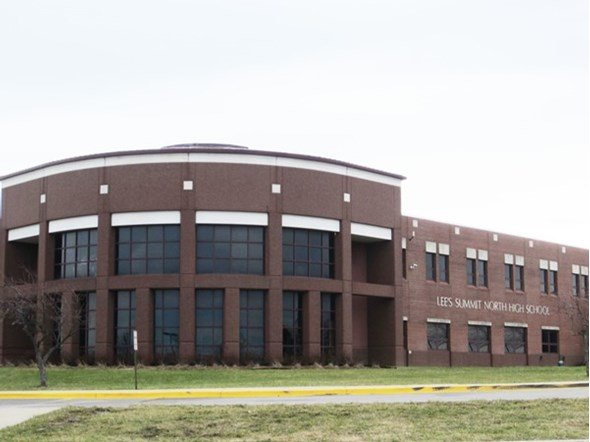
Lee’s Summit North Facility
Large educational facilities present unique HVAC challenges. Through comprehensive Testing, Adjusting, and Balancing services, NTI helped ensure this campus's systems delivered the airflow, ventilation, and comfort required for daily operation.
The Challenge
Lee's Summit North High School serves approximately 1,940 students in grades 9-12, making it one of the larger high schools in Missouri. The facility includes a diverse range of spaces with unique HVAC requirements, including classrooms, administrative offices, gymnasiums, common areas, corridors, athletic spaces, and gathering areas.
To support occupant comfort, indoor air quality, and energy efficiency, the school's aging HVAC infrastructure was replaced after approximately 30 years of service.
Following installation, our team was engaged to perform independent Testing, Adjusting & Balancing (TAB) services to verify that the new systems were delivering airflow and ventilation in accordance with the design intent.
What We Found
When our team arrived to perform Testing, Adjusting & Balancing, the newly installed HVAC systems were operational and nearing project completion. However, as airflow measurements began, it became clear that some areas of the building were not receiving the airflow required by the design.
As part of the balancing process, several issues were uncovered that fell outside the original TAB scope. Most notably, multiple fire dampers were found in the closed position, restricting airflow to portions of the school and preventing the systems from delivering their intended performance.
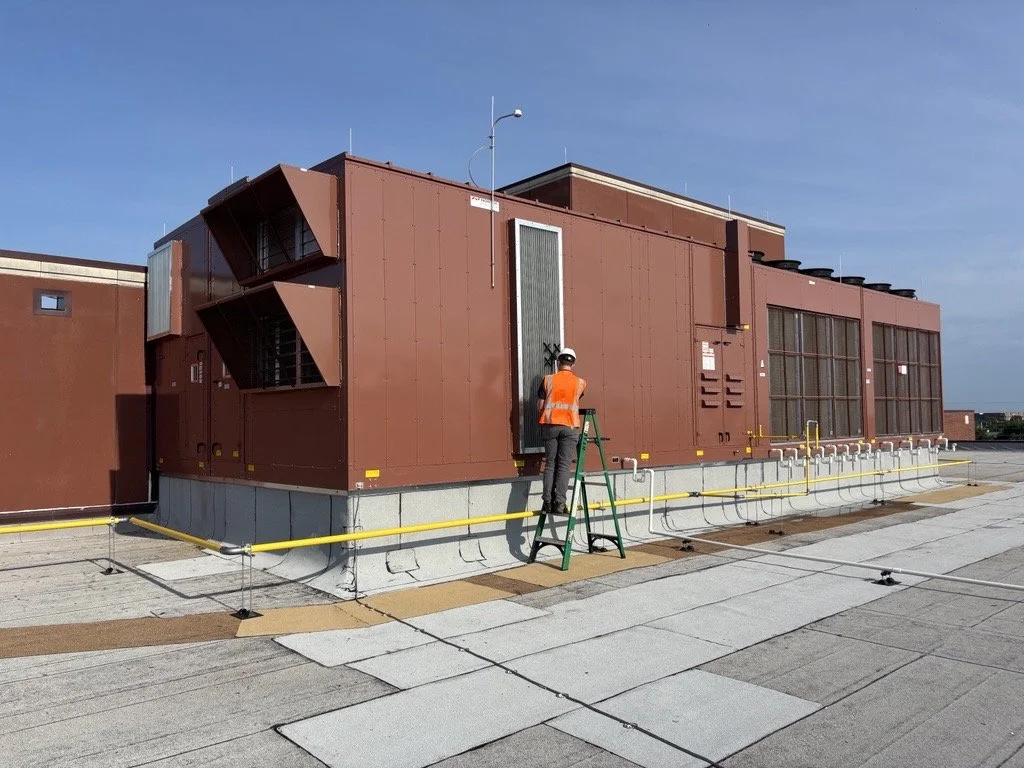
The project also featured some of the largest rooftop HVAC units our team has ever encountered. In fact, after decades of experience working with commercial HVAC systems, our Vice President of National Markets remarked that they were the largest rooftop units he had ever seen.
"After spending years working around commercial HVAC equipment, these were the largest rooftop units I've ever seen."
Check out Behind the Comfort
Get behind the scenes of our Lee’s Summit North Testing, Adjusting, and Balancing project in our latest LinkedIn Newsletter!
The Solution
Working collaboratively with the project team, deficiencies were identified, documented, communicated, and resolved prior to final TAB completion.
The partnership between all teams involved was critical to maintaining project momentum and ensuring the owner's expectations were met.
A special recognition goes to Temp-Con, whose team responded quickly and professionally when issues were identified.
"Temp-Con did great getting things resolved and really made their client look good."
Will, Vice President of Sales
The coordination between Temp-Con, A.L. Huber Construction, and the project team helped ensure issues were addressed efficiently and that the building ultimately achieved the intended level of performance.
-
Uneven temperatures are often caused by improper airflow distribution, control issues, or HVAC systems that have drifted from their original design settings. Testing, Adjusting, and Balancing (TAB) verifies airflow throughout the building and helps ensure each classroom receives the correct amount of conditioned air.
-
Improving indoor air quality starts with verifying ventilation performance. TAB professionals measure airflow, outdoor air delivery, and exhaust systems to confirm spaces are receiving the ventilation required for healthy learning environments. Proper balancing can also help identify areas where airflow is insufficient or excessive.
-
One of the most overlooked causes of energy waste is an HVAC system operating outside its intended design. Testing and Balancing helps identify excess airflow, improper system settings, and operational inefficiencies that may increase utility costs. Verified system performance often leads to more efficient HVAC operation and better occupant comfort.